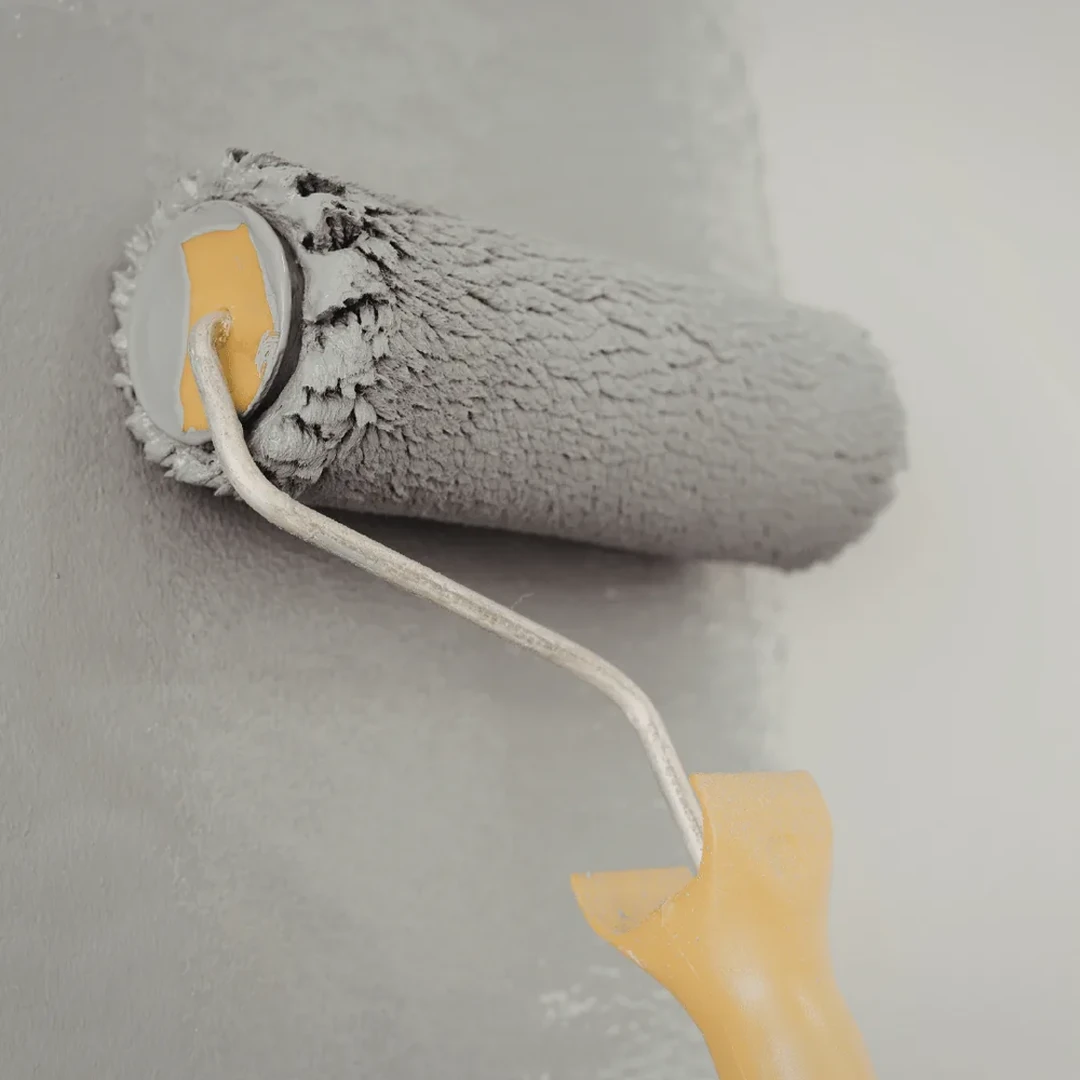
Look At The Surfaces Before The Colors
Start by identifying the surfaces that need attention. Note holes, cracks, peeling areas and stains rather than assuming paint will address each one. Explain any known leaks or previous repairs so the contractor can discuss whether the cause needs attention first. If you are unsure about an existing coating, ask for an appropriate assessment before surface preparation is planned. The painting scope should describe the condition being addressed and the preparation included, giving you a clearer basis for the finished result.
Define Exactly What Will Be Painted
A room includes more than its walls. Decide whether ceilings, doors, baseboards, window trim and closets are part of the project. Point out surfaces that should remain untouched and ask how adjoining finishes will be protected. Discuss the repairs included before painting and how any additional damage will be handled. A written room list is useful when several spaces are involved. It helps prevent different assumptions about whether a particular door, inside corner or piece of trim belongs in the price.
Review Color And Finish In The Space
Look at proposed colors in the room where they will be used. Light, nearby flooring and existing furnishings can influence how a color appears to you. Ask about the finish options for each surface and review the chosen product's care guidance. Record the exact product, color and finish before work begins. If different rooms or trim surfaces have different selections, label them clearly in the plan. A simple selection sheet keeps the decision consistent when materials are ordered and the work is underway.
Agree On Protection And The Final Review
Discuss furniture, wall hangings, window coverings and the space needed around each work area. Confirm who moves large items and how the household will use adjoining rooms. Ask about access, ventilation arrangements and when painted surfaces can be used or cleaned according to the selected products. During the final walkthrough, review the agreed surfaces in normal room lighting and identify any remaining items together. Keep the color information and any labeled leftover paint so future touchups can begin with the correct reference.