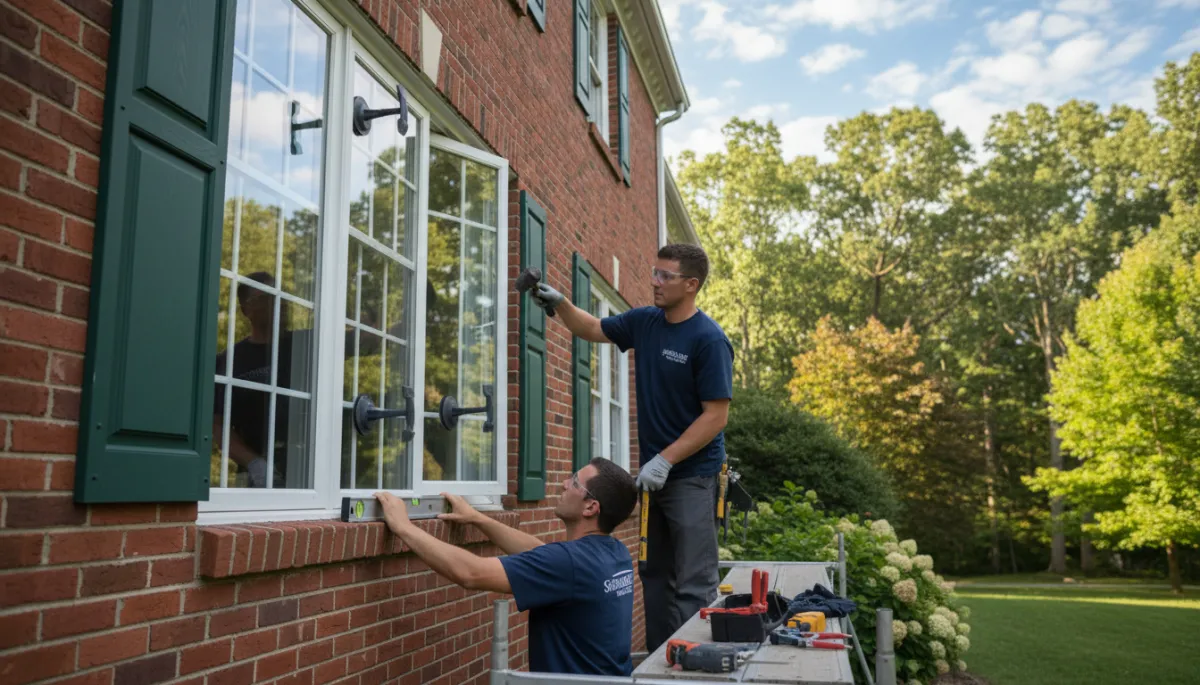
Signs Your Windows Are Costing You Money — And When It's Time to Replace Them
Signs Your Windows Are Costing You Money — And When It's Time to Replace Them
Summer on Maryland's Eastern Shore hits differently. The humidity rolls in off the Chesapeake, temperatures climb into the 90s, and your air conditioner runs all day trying to keep up. If your energy bills seem higher than they should be — and your home still isn't comfortable — your windows might be the problem.
Failing windows are one of the most overlooked sources of energy loss in Eastern Shore homes. From Easton to Cambridge to Denton, homeowners are paying more than they should to heat and cool their homes every single month because old, leaky windows are letting conditioned air escape. Investing in professional window and door installation services can make a dramatic difference in both comfort and monthly costs — and window replacement on Maryland's Eastern Shore is one of the smartest home investments you can make.
This guide will walk you through the most common warning signs and what to look for when choosing replacements that hold up in Maryland's demanding climate.
Why Maryland's Eastern Shore Climate Is Hard on Windows
Not all climates are created equal — and the Eastern Shore is particularly tough on windows and exterior materials.
- Summer heat and humidity: High humidity causes wood frames to swell, seals to degrade, and moisture to work its way into window assemblies over time.
- Winter freeze-thaw cycles: Cold Maryland winters put constant stress on frames and seals. Water that seeps in expands when it freezes, widening gaps and accelerating damage year after year.
- Salt air near the water: Homes on or near the Chesapeake Bay, its tributaries, or the coast face accelerated frame corrosion and seal breakdown from salt exposure.
- Dramatic seasonal swings: Maryland's temperature range — scorching summers and frigid winters — pushes windows through extreme expansion and contraction cycles that wear out materials faster than in milder climates.
Windows that might last 30 years elsewhere can fail in 15 to 20 years on the Eastern Shore. Knowing what to look for puts you ahead of expensive surprises.
7 Signs It's Time for Window Replacement
Some signs are obvious. Others are easy to dismiss until the problem gets costly. Here are the most common indicators that your windows are past their prime:

- You feel drafts with windows fully closed. Run your hand along the window frame on a hot or cold day. Any airflow means your seal has failed and conditioned air is escaping — and you're paying for it every month.
- Foggy or cloudy glass between panes. Condensation forming inside a double-pane window is a clear sign the insulating seal has broken down. That foggy appearance means the window is no longer doing its job — and it cannot be fixed by cleaning.
- Visible rot, warping, or frame damage. Soft spots, discoloration, or warping in wood frames mean moisture has gotten in. This type of damage rarely stops on its own and typically gets worse each season.
- Windows that stick, won't latch, or won't lock. Beyond the inconvenience, a window that doesn't close or lock properly is both a security risk and an energy problem.
- Too much outside noise coming through. Quality double-pane windows provide meaningful sound reduction. If traffic, neighbors, or rain sound like you're standing outside, your windows have lost their insulating value.
- Rising energy bills with no clear explanation. If your heating and cooling costs have climbed over the years, windows are one of the first places to investigate — especially in homes built before the mid-2000s.
- You still have single-pane windows. Single-pane glass offers almost no insulation value. If your home still has original single-pane windows, replacement pays for itself relatively quickly in energy savings alone.
Repair or Replace? How to Tell the Difference
Not every window problem requires a full replacement. Here's a simple way to think through the decision:
Issues that are usually worth repairing:
- Worn or cracked weatherstripping
- Loose or missing caulk around the frame
- Stiff or sticky hardware that just needs adjustment
- A minor crack in a single pane of a multi-pane window
Issues that typically call for replacement:
- Fogged glass between panes (the insulating seal has permanently failed)
- Rotted or structurally compromised frames
- Windows that no longer close, seal, or lock correctly
- Windows more than 20 years old that are consistently underperforming
If you're uncertain, a professional assessment can save you from spending money on repairs that won't actually solve the problem. Our handyman services team can evaluate whether a targeted repair makes sense or whether replacement is the more cost-effective long-term solution.
Choosing the Right Windows for Eastern Shore Homes
Once you've decided to move forward with window replacement on Maryland's Eastern Shore, choosing the right product is just as important as the installation itself. Here's what to prioritize:
- Double or triple-pane glass: The extra layers — with insulating gas sealed between them — significantly reduce heat transfer in both summer and winter, keeping your home more comfortable year-round.
- Low-E glass coating: Low-emissivity (Low-E) glass has a microscopic metallic coating that reflects heat. In Maryland's climate, it keeps summer heat out and winter warmth in — reducing energy bills in both seasons.
- Vinyl or fiberglass frames: These materials resist moisture, humidity, and salt air far better than wood. They don't rot, swell, warp, or require repainting — making them the smart choice for Eastern Shore homes.
- Impact-resistant options: For homes near the Bay or in areas prone to severe weather, impact-resistant glass adds meaningful protection against storm damage.
One critical point: a quality window installed improperly will still leak air and underperform. Professional installation — with correct sealing, shimming, and flashing — is what makes the investment pay off. Our window and door installation services ensure every job is done right from the start, with attention to the details that protect your home long-term.
Don't Overlook Your Doors
Doors are often overlooked in energy conversations, but they contribute significantly to air infiltration in older homes. Common signs your exterior door needs attention include:
- Visible light around the door frame when it's fully closed
- Drafts near the threshold or sides of the door
- Difficulty latching or closing smoothly
- Condensation forming on door glass panels in winter
- Worn, cracked, or missing weatherstripping
Sliding glass doors are a particularly common problem area — the seals and rollers wear down over time, leaving gaps that air and moisture pass right through. If your sliding door feels loose, drafty, or difficult to operate, it may be due for replacement alongside your windows.
When to Call a Professional
Window and door replacement is not a friendly DIY project for most homeowners. Improper installation can void your window warranty, allow water infiltration behind the frame, and create more damage than the failing window itself.
Call a licensed professional when:
- You're replacing any window or exterior door
- Your home has older or custom-sized window openings that require precise measurement
- You're unsure whether repair or replacement is the smarter financial decision
- You want the finished job done with proper sealing, flashing, and clean exterior trim
Five Star Home Improvements LLC (MHIC# 162240) is licensed, bonded, and insured, serving homeowners across Maryland's Eastern Shore — including Preston, Denton, Cambridge, Easton, Salisbury, Ridgely, and Centreville. We handle everything from single window replacements to complete whole-home window and door upgrades.
Frequently Asked Questions
How much does window replacement cost in Maryland?
Costs vary based on window size, type, frame material, number of windows, and the complexity of installation. The only accurate way to know is an on-site assessment. You can request a free estimate here with no obligation.
How long does window replacement take?
Most standard residential window replacements are completed in a single day. Larger projects, custom-sized windows, or homes with significant trim work may take longer. Your installer should provide a clear timeline during the estimate visit.
Can I replace just one window, or do I have to replace them all at once?
You can absolutely replace individual windows. Many homeowners start with the worst performers — the foggiest, draftiest, or most damaged — and replace the rest over time as the budget allows. Your installer can help you prioritize based on condition and energy impact.
What is Low-E glass and do I actually need it in Maryland?
Low-E glass has a thin metallic coating that limits the amount of heat that transfers through the glass in either direction. In Maryland's climate — hot, humid summers and cold winters — Low-E glass helps keep conditioned air where it belongs. It's a worthwhile upgrade for virtually any home on the Eastern Shore.
Should I repaint around my windows after replacement?
Yes — new window installation often disturbs surrounding trim, caulk lines, and paint. A fresh coat of primer or paint protects the installation from moisture and gives the finished product a clean, polished look. Our interior and exterior painting services can handle the trim and finishing work once your new windows are in place.
Ready to Stop Paying for Windows That Are Working Against You?
Old, failing windows don't improve with time — they just cost more with each passing season. Whether you've noticed a draft, seen the fogging between panes, or simply opened an eye-opening utility bill, summer is the right time to take action while the problem is impossible to ignore.
Five Star Home Improvements LLC (MHIC# 162240) provides professional window and door installation services across Maryland's Eastern Shore. We're licensed, bonded, insured, and committed to doing the job right the first time — every time.
Request your free estimate today and find out how much more comfortable — and affordable — your home could be.
