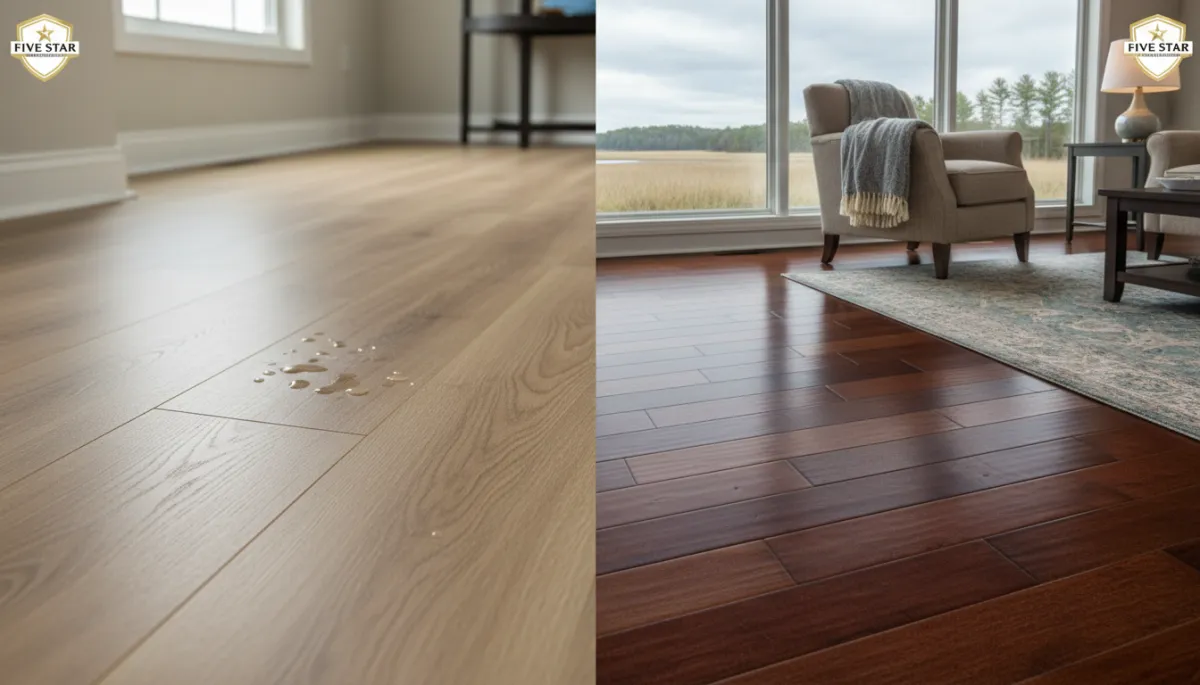
LVP vs. Hardwood Flooring: Which Is Right for Your Maryland Home
Flooring Installation & Repair, LVP flooring installation Maryland Eastern Shore, luxury vinyl plank vs hardwood Maryland
LVP vs. Hardwood Flooring: Which Is Right for Your Maryland Home
One of the most common questions Eastern Shore homeowners ask when updating their floors is whether to choose luxury vinyl plank (LVP) or hardwood — and Maryland’s humid, four-season climate makes the answer more important than most people realize.
What Is LVP Flooring?
LVP, or luxury vinyl plank, is a modern flooring material designed to mimic the look of hardwood while offering impressive durability and water resistance. Planks are typically long and narrow, with realistic wood patterns, textures, and warm tones that fit beautifully in Maryland’s traditional and coastal homes. Current trends favor wide planks and natural-looking grains, which LVP reproduces very convincingly.
Structurally, LVP is made of several layers:
A stable backing layer that helps the plank lie flat and resist movement
A rigid core (often SPC or WPC) that adds strength and can help with minor subfloor imperfections
A printed design layer that reproduces the look of real wood species like oak, hickory, or maple
A clear wear layer that protects against scratches, stains, and everyday wear
Many LVP products used in LVP flooring installation on Maryland’s Eastern Shore are fully waterproof, making them ideal for homes in Preston, Denton, Cambridge, Easton, Salisbury, and surrounding areas where moisture and humidity are constant considerations.
What Is Hardwood Flooring?
Hardwood flooring is made from real wood and has been a favorite in Maryland homes for generations. It offers a warm, timeless appearance, natural variation, and the solid feel underfoot that many homeowners love. With today’s trends leaning toward warm honey, chestnut, and natural oak tones, hardwood fits beautifully with both historic Eastern Shore farmhouses and newer construction.
There are two main types of hardwood flooring:
Solid hardwood: Each plank is a single piece of wood, usually 3/4" thick. It can often be sanded and refinished multiple times over its life, which can easily stretch into several decades with proper care.
Engineered hardwood: Built from multiple layers of wood with a real hardwood veneer on top. It’s more dimensionally stable than solid wood, which helps it handle humidity swings better — an important factor in Maryland’s climate.
Both options provide genuine wood character and can boost resale value, but they do require more careful maintenance and moisture control than LVP, especially in areas near the Chesapeake Bay where indoor humidity can be higher.
How Maryland’s Eastern Shore Climate Affects Your Flooring Choice
Maryland experiences hot, humid summers and cool winters, with noticeable temperature and humidity swings throughout the year. On the Eastern Shore, proximity to the water can intensify moisture issues. According to national remodeling guidance, materials that respond well to humidity — like LVP — often perform better in these conditions than traditional hardwood, which can expand, contract, or cup when exposed to moisture changes over time.
Hardwood is a natural material and will move with changes in humidity. Without proper acclimation, moisture barriers, and indoor climate control, you may see gaps, squeaks, or warping. LVP, by contrast, is highly resistant to moisture and does not swell or shrink the way wood does, making it a strong contender when you’re comparing vinyl plank vs hardwood in a humid Maryland home.
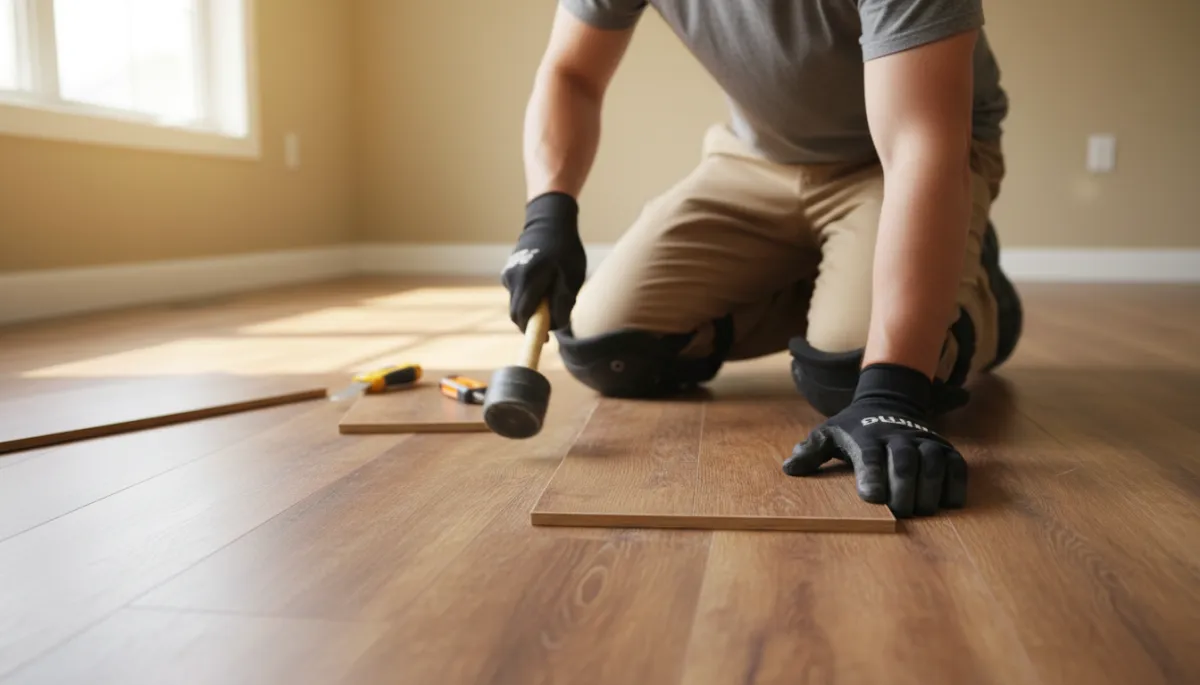
Professional installation helps your new floors handle Maryland’s humidity and daily wear.
LVP vs. Hardwood — Side-by-Side Comparison
Cost: In most cases, LVP is more budget-friendly for both materials and labor. Hardwood, especially high-quality solid or wide-plank styles, typically costs more upfront but may add more value in higher-end homes.
Durability: Both options are durable, but in different ways. LVP resists scratches, dents, and everyday messes, making it ideal for kids and pets. Hardwood is strong but can show wear in high-traffic areas and may need refinishing over time.
Water & humidity resistance: LVP is often waterproof and handles spills, damp basements, and coastal humidity very well. Hardwood is more sensitive and not recommended for consistently damp spaces or areas prone to standing water.
Appearance: For many homeowners, hardwood still offers the most authentic, high-end look. However, modern LVP closely imitates wood grain, texture, and warm tones — enough that many guests will not notice the difference at a glance, especially in busy family spaces.
Maintenance: LVP is generally low-maintenance: regular sweeping and occasional mopping with manufacturer-approved cleaners. Hardwood requires more care, including avoiding excess water, using felt pads on furniture, and refinishing when the surface becomes worn.
Lifespan: Quality hardwood can last 50+ years with proper maintenance. LVP typically lasts 15–25 years depending on quality, traffic, and care — still a long-lasting option for many families and rentals.
Resale value: Hardwood is often seen as a premium feature and can boost resale value, especially in higher-end remodels. That said, well-installed, attractive LVP is increasingly accepted by buyers who value durability and easy care, particularly in coastal and rental-heavy markets.
When you compare luxury vinyl plank vs hardwood in Maryland, the best choice comes down to your budget, how you use the space, and how much maintenance you’re comfortable with. Many Eastern Shore homeowners choose a mix of both, using each where it performs best.
Which Rooms Are Best Suited for Each?
Choosing the best flooring for Maryland homes often means matching the material to the room’s moisture level, traffic, and design goals.
Kitchens & mudrooms: LVP is usually the smarter choice here. It stands up to spills, sandy shoes from the beach, and frequent cleaning without warping or staining as easily as hardwood might.
Bathrooms & laundry rooms: These are prime areas for LVP or other waterproof flooring. Hardwood is generally not recommended because of regular moisture and the risk of leaks.
Basements: Below-grade spaces on the Eastern Shore can be damp, so LVP is typically preferred over hardwood. Its resistance to moisture makes it safer and lower risk for finished basements and playrooms.
Living rooms & dining rooms: Here, the decision often comes down to style and budget. Hardwood creates a warm, upscale feel, while LVP can deliver a similar look with more forgiveness for pets, kids, and everyday wear.
Bedrooms: Many homeowners still love hardwood in bedrooms for its classic look and long life. LVP is also a great option if you want a softer price point or need extra moisture resistance in a first-floor bedroom.
What About Rental Properties and Property Managers?
For landlords and property managers across Maryland’s Eastern Shore, LVP is often the practical winner. It offers an attractive, wood-look finish that appeals to tenants while standing up to heavy use, frequent move-ins and move-outs, and the occasional spill or pet accident. When comparing vinyl plank vs hardwood in humidity, LVP gives you more peace of mind in units that may not have perfect humidity control year-round.
Paired with reliable property management repair and maintenance support, LVP can reduce long-term flooring costs and help units show well between tenants. Hardwood may still make sense in premium rentals or historic properties, but it usually requires a higher maintenance budget and more careful screening of how the space will be used.
Signs Your Current Flooring Needs to Be Replaced
Whether you’re considering LVP or hardwood, it helps to know when it’s time to upgrade. Common signs include:
Deep scratches, stains, or water damage that can’t be cleaned or refinished away
Warping, cupping, or soft spots in hardwood from moisture exposure
Peeling, cracked, or separating planks in older vinyl or laminate flooring
Persistent odors or trapped moisture under old flooring, especially in basements or bathrooms
An outdated look that makes it hard to rent or sell your property at the price you want
If you’re seeing several of these issues, it may be time to explore professional flooring installation and repair services with a licensed contractor like Five Star Home Improvements LLC (MHIC# 162240).
When to Call a Flooring Professional
Some small flooring touch-ups can be handled by handy homeowners, but for most full-room projects — especially when dealing with subfloor issues, moisture concerns, or large square footage — partnering with a professional is the safest choice. A licensed, bonded, and insured contractor familiar with flooring installation in Preston, MD and across the Eastern Shore can:
Evaluate your subfloor and recommend the right underlayment or moisture barrier for Maryland’s climate
Help you compare specific products for LVP flooring installation Maryland Eastern Shore projects, including wear layer thickness and warranty options
Properly acclimate and install hardwood to minimize future movement, gaps, or squeaks
Handle tricky transitions, stairs, and trims so the finished space looks polished and professional
If you’re unsure which material is right for your space, a site visit and detailed estimate from a local expert can make the decision much easier.
Frequently Asked Questions
1. Is LVP really waterproof?
Most modern LVP products used in LVP flooring Eastern Shore projects are marketed as waterproof, meaning the planks themselves will not swell or warp when exposed to water. However, proper installation and subfloor preparation are still essential to prevent moisture from getting trapped underneath and causing other issues.
2. Can hardwood work in Maryland’s humidity?
Yes, hardwood can perform well here when it’s properly acclimated, installed with the right underlayment, and paired with consistent indoor climate control. Engineered hardwood is often a better choice than solid in areas with more pronounced humidity swings, but it still won’t be as moisture-tolerant as LVP in bathrooms or basements.
3. Which is better for pets — LVP or hardwood?
For most busy households with pets, LVP is the lower-stress option. It resists scratches from claws and is more forgiving of accidents and water bowls. Hardwood can work with pets, but it may show wear sooner and requires more attentive maintenance and protective rugs in high-traffic zones.
4. Will LVP hurt my home’s resale value?
Not necessarily. Buyers today are familiar with high-quality LVP and often appreciate its durability and low maintenance, especially in coastal and family-focused markets. In higher-end custom homes, hardwood may still be preferred in main living areas, but well-installed LVP is rarely seen as a negative — particularly in kitchens, basements, and rentals.
5. How do I choose the right color and style?
Warm, natural tones are trending nationally and work especially well with Maryland’s mix of traditional and coastal architecture. During your consultation, a local flooring contractor can bring samples to your home so you can see how different options look with your light, trim, and furnishings before making a final decision.
Ready to Choose the Best Flooring for Your Maryland Home?
Whether you’re leaning toward the timeless beauty of hardwood or the practical durability of LVP, the right guidance makes all the difference. Five Star Home Improvements LLC is a licensed, bonded, and insured home improvement company based in Preston, MD, proudly serving homeowners, landlords, and property managers across Maryland’s Eastern Shore with expert flooring installations and repairs.
If you’re ready to compare options, get accurate pricing, and see what will work best in your specific rooms, you can request a free flooring estimate today. We’ll walk you through the pros and cons of each material for your home, so you can move forward with confidence and enjoy beautiful, long-lasting floors tailored to Maryland’s climate and your lifestyle.
